Yes, bulk candy can be perfectly fresh — or months-old and stale. The difference isn't "online vs. store," it's turnover: candy that sells and gets restocked quickly is fresher than candy from a shelf that hasn't moved in six months, wherever that shelf is. A real buyer on WeddingBee asked the question that haunts every bulk candy order: "Does the candy taste ok though? Just wondering if it would be stale because it's online warehouses." Here's exactly how to answer that question for any retailer — including us — before you spend a dollar.
1. Ask about dates before you order
Most bulk listings — ours included — don't print a best-by date on the product page, because the date depends on which case ships. So ask. A retailer that manages freshness can tell you what date is on the stock it would send you; one that can't answer hasn't checked.
For anything date-sensitive, send us a message with the item and your event date before you order. If you're near Hauppauge, NY, you can also look at the stock yourself at the warehouse, Monday to Friday, 9 AM to 4 PM.
2. Read the 1–2 star reviews, not the 5-stars
Five-star reviews tell you what went right once. One- and two-star reviews tell you what goes wrong repeatedly — and across the whole bulk candy industry, the same three freshness complaints show up again and again:
- Stale chewy candy: "All the chewy pieces were stale and hard" — a real buyer review
- Brittle, snapping licorice or taffy: "Other rolls were brittle so that they snapped when I handled them, which suggests they were old and stale."
- Waxy, expired chocolate: "These bulk kisses are old and taste like wax, not chocolate. Never again...hard pass!"
When you're vetting a retailer, filter to the lowest ratings and look for patterns. One complaint about stale gummies is a bad day. Six complaints over six months is how they operate.
3. Look for turnover signals
Candy doesn't spoil like milk, but it does go stale — and stale is a function of time sitting still. The faster a retailer's inventory turns over, the fresher the average order:
- New arrivals: a retailer regularly adding new products is restocking regularly.
- Best sellers: fast sellers can't sit around long enough to go stale. For an event, picking from proven high-turnover items is a freshness shortcut.
- Product range breadth: a specialist with 3,000+ products is moving volume through a warehouse built for it. A general marketplace seller dropshipping from a warehouse full of whatever isn't.
Turnover also matters by candy type. Dietary-specific lines — sugar-free, gluten-free — can turn slower than mainstream items simply because fewer buyers order them. If you're ordering niche candy, check dates more carefully than you would for bestselling gummies.
4. Know what stale actually looks like, by candy type
Part of the freshness anxiety is that people don't know how to recognize stale candy when it arrives. Here's the field guide:
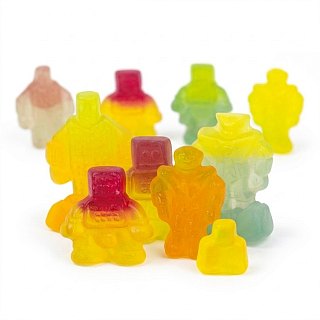
Gummies: Should be soft and springy. Stale gummies are hard, rubbery, or have a dry, crusty surface. If a gummy bear cracks instead of squishing, it's past its prime.
Chocolate: The white film you sometimes see is called bloom — it's cocoa butter rising to the surface from temperature swings, and it's harmless (the chocolate is safe, just less pretty). Actual spoiled chocolate is rare; chocolate that tastes waxy or cardboard-like was either stored too long or too hot. Note: bloom and melting are shipping risks, not freshness failures — we don't ship with ice packs, so summer chocolate orders are always at risk regardless of how fresh they left the warehouse.
Hard candy: Should be smooth and dry. Stale or poorly stored hard candy gets sticky, cloudy, or melts together in the bag — that's moisture damage, usually from bad storage rather than age. Properly stored hard candy lasts practically indefinitely.
Licorice and taffy: Should bend without snapping. When they go dry and brittle — "snapped when I handled them" — they've been exposed to air too long.
Sour candy: The sour coating fades before the candy underneath goes stale. If the sour punch is gone, the candy's been sitting.
5. Match your order date to your event date
Even the freshest candy can go stale in your garage if you buy it six months early and store it badly. For weddings, 4–8 weeks out is the sweet spot: early enough to fix any issue, close enough that storage is trivial. The full timeline is in How Far in Advance Can You Buy Candy for a Wedding?
And what you do the day the box arrives matters as much as when you ordered — see How to Store Bulk Candy So It Stays Fresh.
The freshness checklist, in 30 seconds
- 1. Retailer can tell you the date on the stock it will send? → good sign
- 2. 1–2 star reviews show no stale-candy pattern? → good sign
- 3. Ordering from new arrivals or best sellers? → built-in turnover
- 4. Buying within 4–8 weeks of the event? → storage stays trivial
- 5. Summer chocolate order? → switch to heat-safe candy; freshness won't save chocolate from August
FAQ
How long does bulk candy stay fresh?
Most candy keeps 6–12 months stored cool, dry, and dark — hard candy longest, chocolate and gummies shorter. The by-type storage guide: How to Store Bulk Candy So It Stays Fresh.
Does the candy arrive stale from online warehouses?
It can, from any retailer with slow turnover — online or physical. That's why you check the signals above instead of assuming a channel is safe or unsafe.
What if my candy arrives stale?
Contact the retailer with photos as soon as it arrives. Our returns policy covers orders that arrive damaged, wrong, missing, or materially different from the description: contact us within 7 days of delivery, keep the packaging, send photos, and we'll send a replacement or refund.